
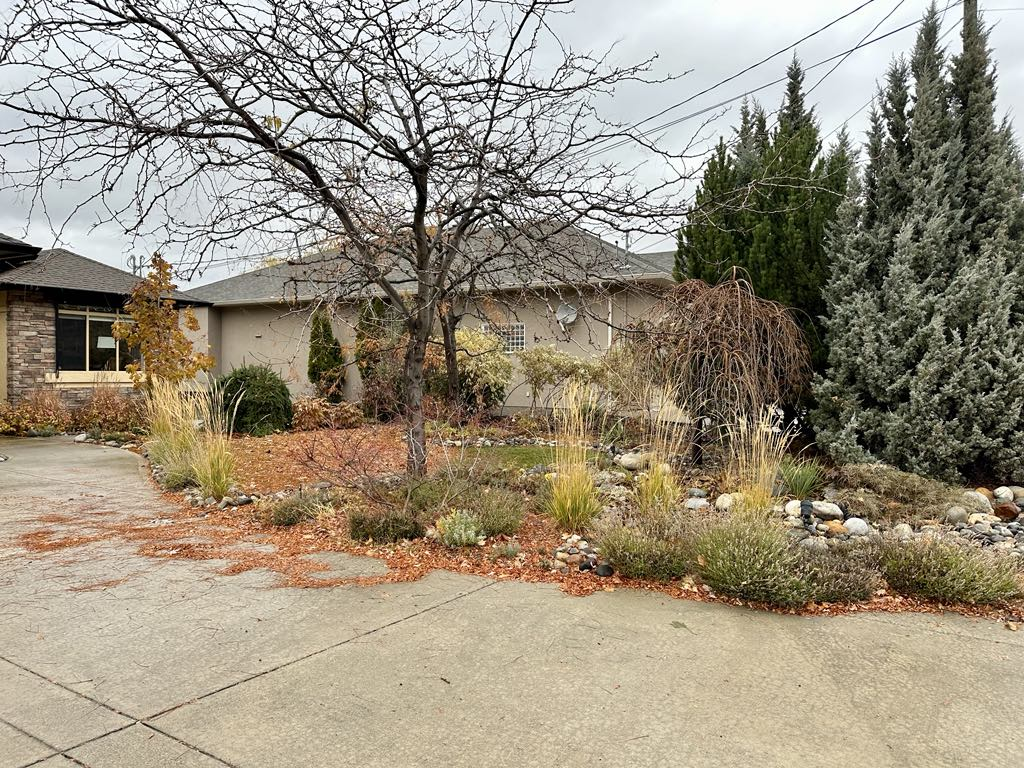
As winter recedes across the North Okanagan, landscapes emerge from months of snow, freeze–thaw cycles, and prolonged moisture. A successful spring cleanup requires precision timing, strategic priorities, and a methodical approach tailored to the unique climate of Vernon, Coldstream, Lake Country, Armstrong, and surrounding communities. We approach every property with a structured checklist designed to restore health, enhance curb appeal, and prepare outdoor spaces for a vibrant growing season.
Understanding North Okanagan Spring Timing
Spring conditions in the North Okanagan are defined by fluctuating temperatures, late frosts, and saturated soil. Acting too early can damage turf and compact wet ground. Acting too late allows debris, mold, and pests to establish themselves.
We begin our spring cleanup process when:
- Daytime temperatures consistently exceed 8–10°C
- Snowbanks have fully melted
- Soil is moist but no longer waterlogged
- Lawn surfaces feel firm underfoot
This timing typically falls between late March and mid-April, depending on elevation and sun exposure. Higher elevations and shaded properties may require delayed entry to avoid turf damage.
Priority #1: Comprehensive Property Assessment
Before lifting a rake, we conduct a thorough property-wide inspection. Winter leaves behind subtle but critical damage.
We evaluate:
- Turf health and snow mold presence
- Broken or salt-burned shrubs
- Frost heaving around perennials
- Cracked hardscapes and edging
- Drainage issues caused by melting snow
Identifying these concerns early ensures the cleanup addresses not only aesthetics but long-term landscape performance.
Priority #2: Debris Removal & Surface Clearing
The foundation of every effective spring yard cleanup begins with meticulous debris removal.
We remove:
- Accumulated leaves
- Fallen branches and twigs
- Gravel displaced onto lawns
- Organic buildup along fences and foundations
- Sand residue from winter road maintenance
Using specialized rakes and blowers, we clear lawns without tearing delicate early growth. Driveways, walkways, and patios are swept to eliminate abrasive materials that can stain or erode surfaces.
This stage restores airflow to turf and reduces disease risk.
Priority #3: Lawn Raking & Thatch Management
North Okanagan winters often create a dense mat of organic matter that restricts oxygen circulation.
We perform:
- Light power raking where appropriate
- Manual dethatching in sensitive areas
- Targeted removal of snow mold patches
Thatch thicker than ½ inch inhibits root development and nutrient absorption. Controlled removal revitalizes turf and encourages uniform green-up.
Priority #4: Lawn Aeration for Soil Recovery
Compaction is common after winter moisture and foot traffic.
We incorporate core aeration when soil conditions allow. Aeration:
- Improves oxygen flow
- Enhances water penetration
- Stimulates root expansion
- Reduces runoff on sloped properties
For clay-heavy soils common in the North Okanagan, aeration dramatically improves drainage and nutrient uptake.
Priority #5: Fertilization & Soil Conditioning
Early spring is the critical window for establishing lawn vigor before summer heat stress.
We apply a balanced, slow-release fertilizer formulated for cool-season grasses dominant in the region. This supports:
- Deep root development
- Disease resistance
- Even coloration
- Thick turf density
In areas with visible deficiencies, we incorporate soil amendments such as compost top-dressing to rebuild organic structure.
Priority #6: Pruning & Shrub Rehabilitation
Winter wind, snow load, and temperature fluctuations cause breakage and dieback.
We carefully prune:
- Damaged branches
- Crossing limbs
- Frost-killed growth
- Overgrown hedges
Pruning is timed before aggressive new growth begins. For flowering shrubs, we follow bloom cycles to avoid removing developing buds.
This restores structure and improves plant health while maintaining aesthetic balance.
Priority #7: Perennial Bed Preparation
Garden beds require focused attention to transition from dormancy.
Our checklist includes:
- Cutting back dead perennial stems
- Dividing overcrowded plants
- Removing invasive seedlings
- Edging beds for clean lines
- Refreshing mulch layers
Mulch is reapplied at 2–3 inches depth to regulate soil temperature and suppress early weeds. Fresh edging immediately elevates the property’s visual appeal.
Priority #8: Weed Prevention Strategy
Spring is the most effective time to disrupt weed cycles.
We implement:
- Pre-emergent weed control where appropriate
- Manual removal of established weeds
- Early intervention for dandelions and broadleaf intruders
Proactive management reduces summer maintenance intensity and preserves lawn integrity.
Priority #9: Irrigation System Inspection
Freeze damage to irrigation lines is common in North Okanagan properties.
We inspect:
- Sprinkler heads
- Underground piping
- Backflow preventers
- Control timers
System activation is carefully calibrated to avoid oversaturation during spring rains. Early detection prevents costly water loss and landscape stress.
Priority #10: Hardscape Cleaning & Pressure Washing
Patios, retaining walls, and stone features accumulate grime, algae, and salt residue.
We restore surfaces through:
- Gentle pressure washing
- Joint sand replacement for pavers
- Minor leveling adjustments
- Moss removal
This prevents long-term structural deterioration and enhances curb appeal immediately.
Priority #11: Tree Health & Structural Inspection
Large trees require early season assessment.
We examine:
- Split limbs
- Bark damage
- Leaning trunks
- Pest indicators
Strategic pruning eliminates hazards before heavy spring winds. Preventative attention ensures safety and long-term vitality.
Priority #12: Outdoor Living Preparation
Spring cleanup extends beyond greenery.
We prepare:
- Deck surfaces
- Outdoor furniture
- Pergolas and fencing
- Lighting systems
Power washing, minor repairs, and wood treatment protect investments and create welcoming outdoor environments.
Spring Cleanup Timeline for North Okanagan
Late March – Early April
- Property inspection
- Debris removal
- Light raking
Mid-April
- Aeration
- Fertilization
- Pruning
Late April – Early May
- Mulching
- Irrigation startup
- Weed prevention
Adhering to this sequence ensures maximum landscape recovery and optimal seasonal growth.
Common Spring Cleanup Mistakes to Avoid
We consistently prevent issues that undermine lawn performance:
- Raking saturated soil
- Over-fertilizing too early
- Cutting perennials before frost risk passes
- Ignoring drainage pooling
- Delaying weed control
Precision timing and methodical execution define a successful spring strategy.
Why a Structured Spring Cleanup Matters
A professional-grade North Okanagan spring cleanup checklist protects against turf disease, improves plant resilience, and dramatically enhances property value. Each step builds upon the previous to create a cohesive and sustainable outdoor environment.
By prioritizing soil health, structural pruning, weed suppression, and system inspections, we transform winter-worn properties into vibrant landscapes prepared for a productive growing season.
Our comprehensive approach ensures lawns green evenly, gardens flourish, and outdoor spaces remain functional and visually refined throughout the year.