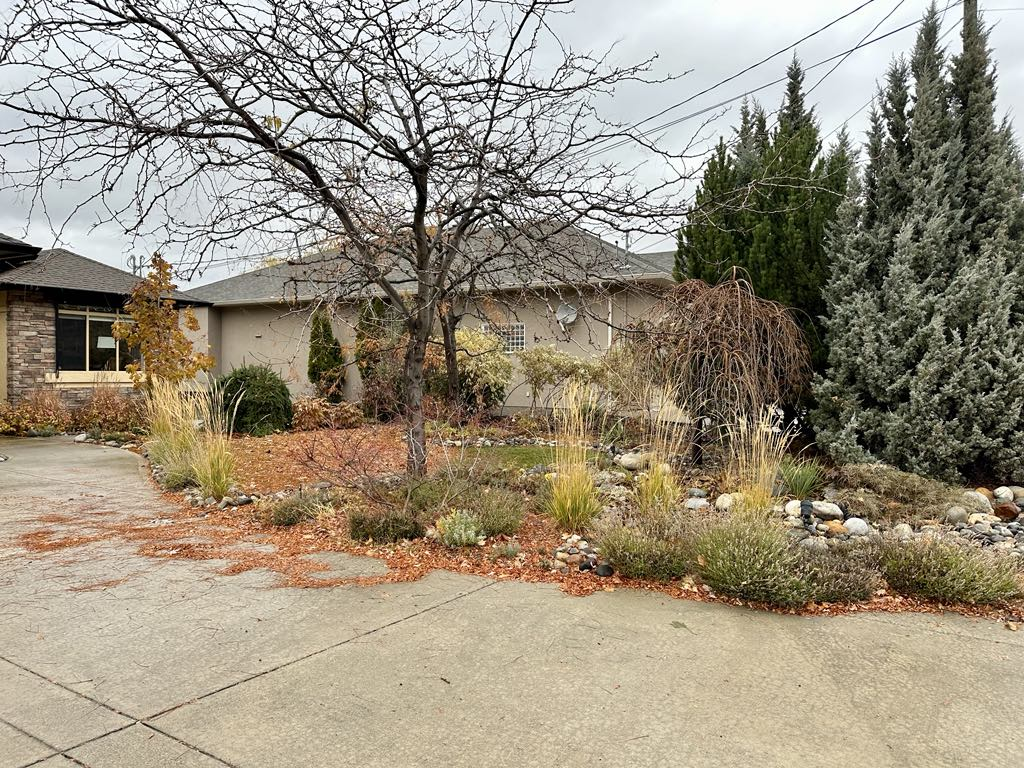
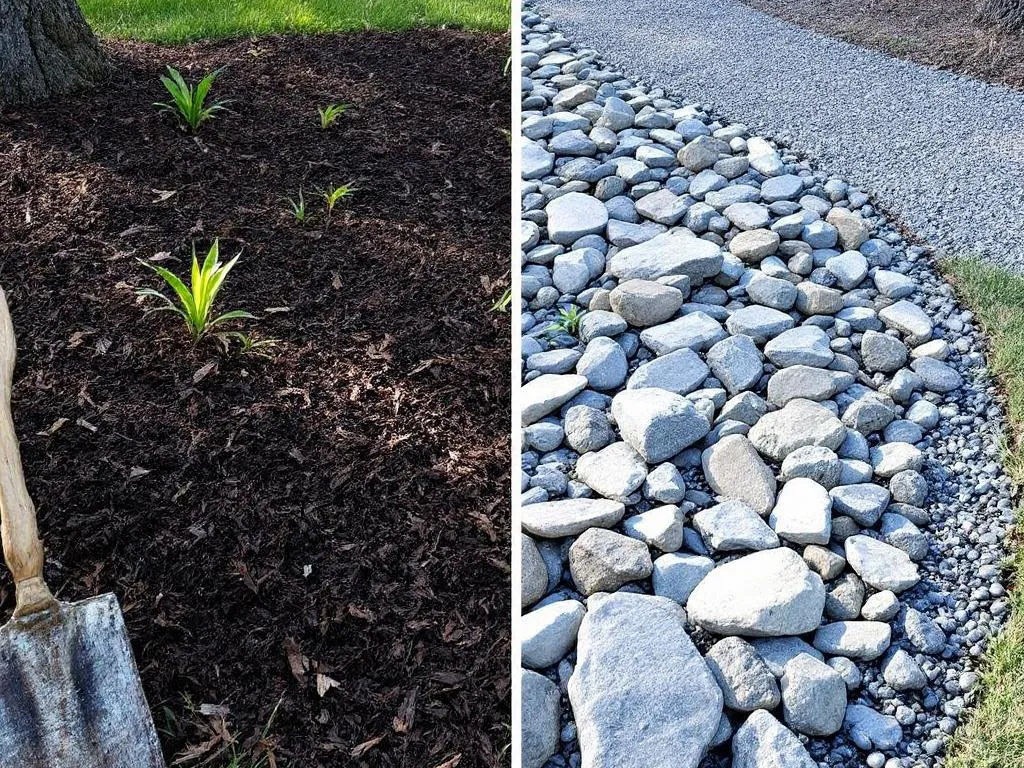
Spring in the North Okanagan marks a critical transition for landscapes. After months of fluctuating temperatures, snow cover, freeze-thaw cycles, and early-season moisture, garden beds and hardscapes require strategic renewal. The decision between refreshing mulch or revitalizing decorative rock is not merely aesthetic—it is functional, climatic, and performance-driven. As landscape professionals serving Vernon and the surrounding communities, we evaluate soil health, drainage patterns, plant vigor, and long-term maintenance objectives before recommending what to refresh each spring.
Below, we provide a comprehensive comparison of mulch vs rock in North Okanagan landscapes, focusing on what to renew in spring and the performance implications of each choice.
Understanding Spring Landscape Conditions in North Okanagan
The North Okanagan climate presents unique challenges:
- Cold winters with extended frost depth
- Heavy snow accumulation in certain elevations
- Rapid spring thaw creating saturation
- Increasingly hot and dry summers
These seasonal shifts directly impact organic mulch decomposition, rock displacement, weed pressure, and soil compaction. Spring is the ideal time to assess and correct material deficiencies before summer heat stresses plant systems.
Refreshing Mulch in Spring: Why It Matters
Organic Mulch After Winter: What Happens Beneath the Surface
Over winter, organic mulch such as cedar bark, shredded fir, or hemlock undergoes:
- Compression from snow weight
- Partial decomposition
- Nutrient leaching
- Displacement from wind and meltwater
By early spring, most mulch beds are thinner than intended. A layer that began at 3 inches may now be less than 1 inch—insufficient for weed suppression or moisture regulation.
Benefits of Spring Mulch Renewal
Refreshing mulch in spring provides measurable benefits:
1. Soil Temperature Regulation
Mulch buffers against late-season cold snaps while preventing premature soil warming that can stress perennials.
2. Moisture Retention for Dry Summers
North Okanagan summers are increasingly arid. A fresh 2–3 inch mulch layer reduces evaporation by up to 50%, conserving irrigation resources.
3. Weed Suppression
Spring is peak germination season. Adequate mulch thickness prevents sunlight from reaching weed seeds.
4. Soil Enrichment
As mulch breaks down, it contributes organic matter, improving soil structure and microbial activity—critical for shrubs, ornamental trees, and perennial beds.
When to Refresh Mulch
We recommend refreshing mulch in spring if:
- The layer is under 2 inches thick
- Soil is visible through the surface
- Weed growth increased last season
- Mulch has faded significantly
- Drainage appears uneven
Best Mulch Types for North Okanagan
- Cedar bark mulch for longevity and insect resistance
- Hemlock mulch for rich color retention
- Shredded fir for improved soil integration
Avoid overly fine mulch in windy exposures common in open Okanagan properties.
Refreshing Rock Landscaping in Spring
How Winter Affects Decorative Rock
Unlike organic mulch, decorative rock does not decompose. However, winter conditions still impact its appearance and function:
- Rock displacement from snow shoveling
- Soil migration into the rock layer
- Weed growth through fabric
- Compaction reducing drainage
- Surface debris accumulation
Spring maintenance is essential to restore the structural integrity of rock beds.
Benefits of Spring Rock Maintenance
1. Drainage Optimization
Rock landscaping plays a critical role in managing runoff during rapid snowmelt. Regrading and leveling prevents pooling.
2. Weed Prevention
Weed seeds settle between stones over winter. Spring is the time to remove growth before root systems deepen.
3. Edge Reinforcement
Freeze-thaw cycles shift edging materials. Spring inspection prevents rock spillover into lawns or driveways.
4. Aesthetic Renewal
Power rinsing or light top-ups restore color vibrancy lost under dust and sediment.
When to Refresh Rock
Spring rock refresh is recommended if:
- Landscape fabric is exposed
- Soil is visible between stones
- Weeds penetrated the barrier
- The surface appears uneven or compacted
- Drainage patterns have shifted
Mulch vs Rock in North Okanagan: Climate-Based Comparison
| Feature | Mulch | Rock |
|---|---|---|
| Moisture Retention | High | Low |
| Heat Reflection | Low | High |
| Soil Enrichment | Yes | No |
| Maintenance Frequency | Annual | Periodic |
| Initial Cost | Moderate | Higher |
| Long-Term Cost | Ongoing | Lower over time |
| Weed Control | Excellent when thick | Good with fabric |
In North Okanagan’s dry summer climate, mulch is ideal for plant-heavy areas where soil hydration is critical. Rock performs best in xeriscaped or low-maintenance zones where drainage and durability are priorities.
Strategic Spring Decisions: What Should We Refresh?
Choose Mulch Refresh If:
- You have perennials, shrubs, or young trees
- Irrigation efficiency matters
- You want improved soil health
- You plan seasonal planting
Choose Rock Refresh If:
- You have xeriscaping or drought-tolerant plants
- You want minimal annual upkeep
- Drainage control is the primary concern
- You prefer a modern aesthetic
Combining Mulch and Rock for Optimal Performance
The most effective landscapes in Vernon and surrounding North Okanagan communities combine both materials strategically:
- Mulch in planting beds
- Rock in pathways and high-drainage zones
- Decorative river rock around foundations
- Mulch rings around trees within rock landscapes
This hybrid approach balances soil performance with structural durability.
Spring Installation Best Practices
For Mulch:
- Remove debris before applying
- Edge beds cleanly
- Apply 2–3 inches evenly
- Keep mulch 2 inches from plant stems
For Rock:
- Inspect and repair landscape fabric
- Add fresh material where depth is reduced
- Compact sub-base if settling occurred
- Install reinforced edging
Spring installation timing should follow soil thaw and before peak weed germination.
Cost Considerations in North Okanagan
Mulch typically requires annual refresh, making it a recurring seasonal investment. Rock carries higher upfront cost but requires less frequent replenishment. However, rock maintenance (weed removal, re-leveling) still demands periodic labor.
For homeowners prioritizing long-term plant health, mulch offers higher seasonal value. For those prioritizing low-maintenance aesthetics, rock provides durability.
Sustainability and Environmental Impact
Organic mulch supports:
- Carbon sequestration
- Soil biodiversity
- Water conservation
Rock reduces material turnover but may increase heat reflection in high-exposure zones, potentially stressing plants in south-facing gardens common in North Okanagan terrain.
Final Recommendation for Spring in North Okanagan
Every spring, we evaluate landscapes based on plant composition, soil condition, exposure, and maintenance expectations. In most residential properties with mixed planting, refreshing mulch annually while maintaining rock every few years provides the strongest performance balance.
The goal is not choosing one universally—but refreshing the right material in the right location at the right time.
Spring renewal ensures:
- Strong root development
- Reduced irrigation demands
- Controlled weed growth
- Improved drainage
- Elevated curb appeal
Landscapes in the North Okanagan endure climatic extremes. Strategic spring refresh ensures they thrive through the long, dry summer ahead.